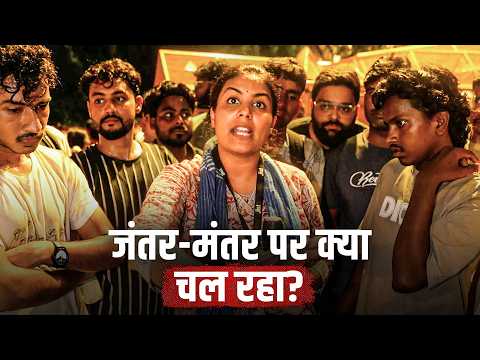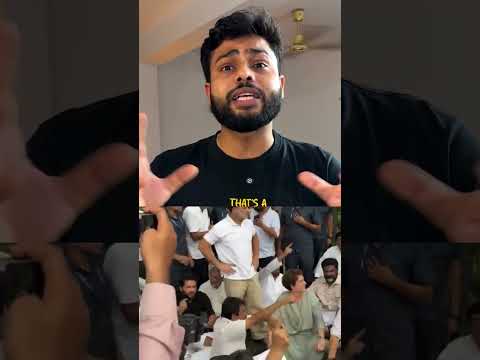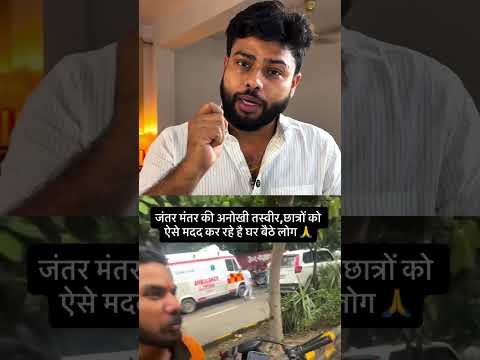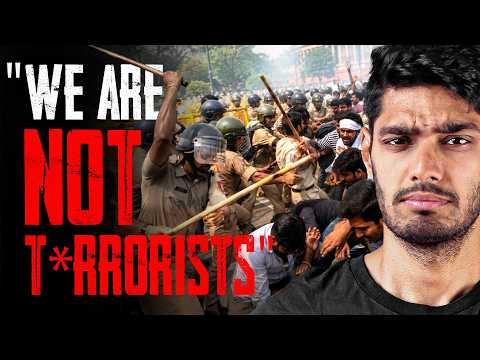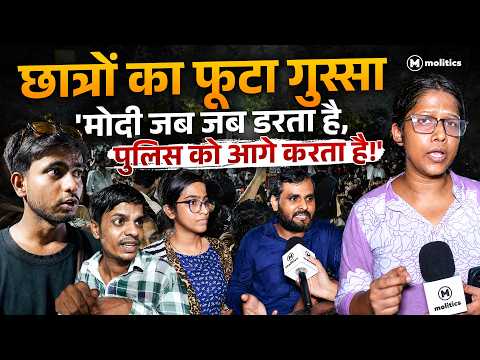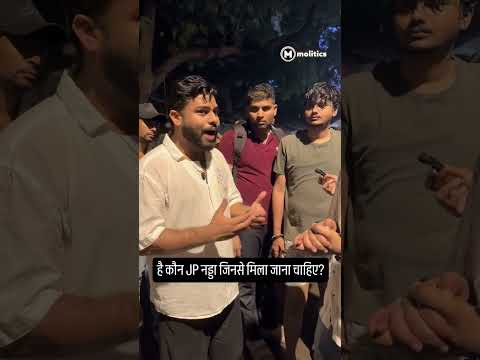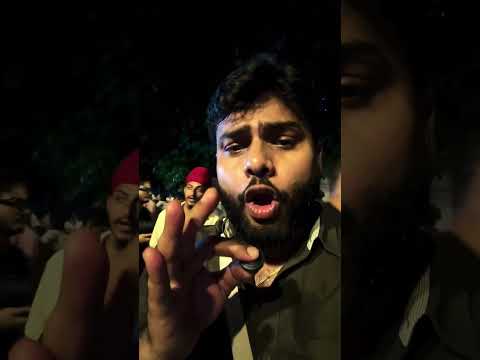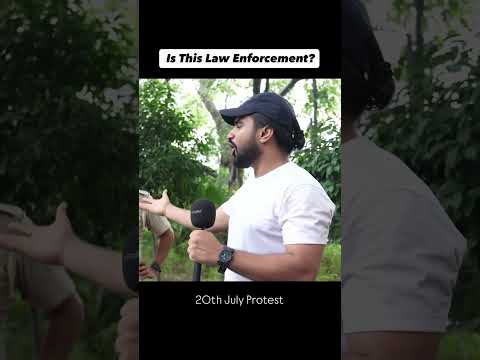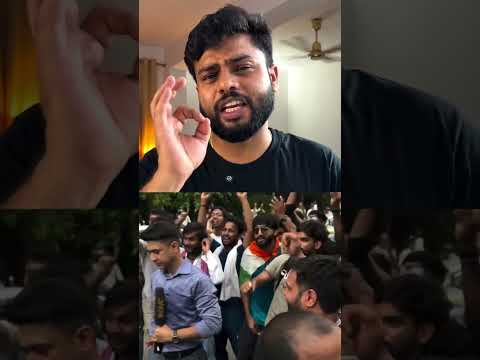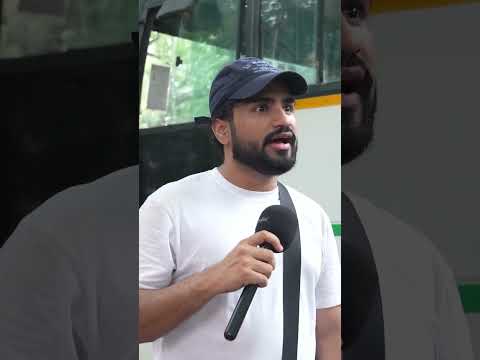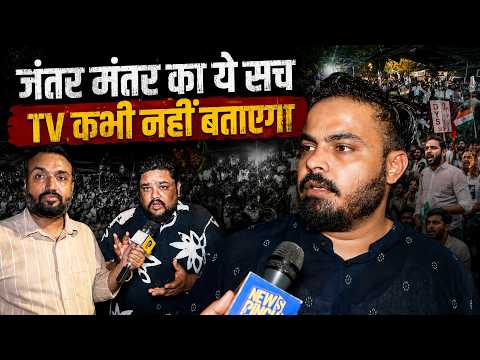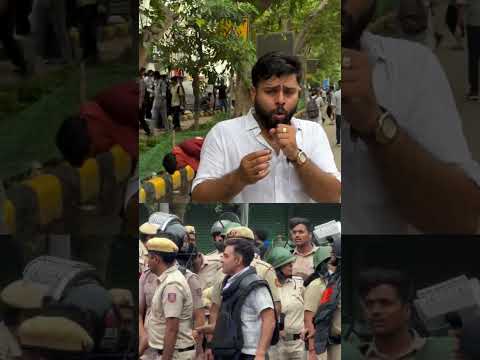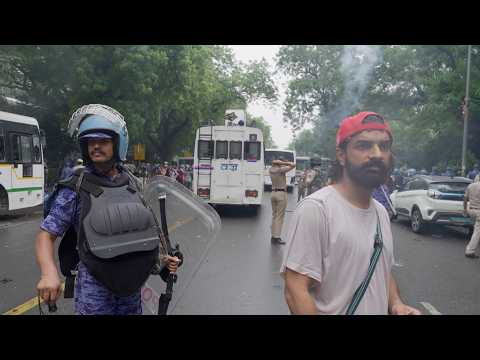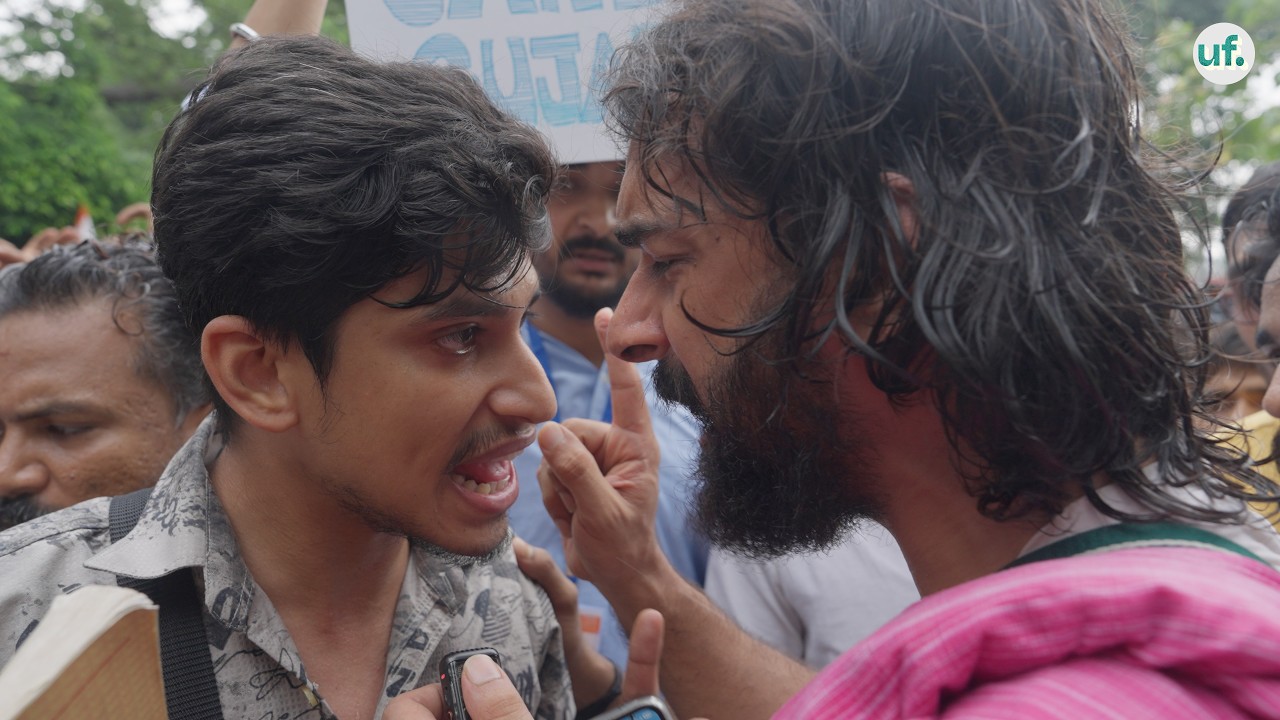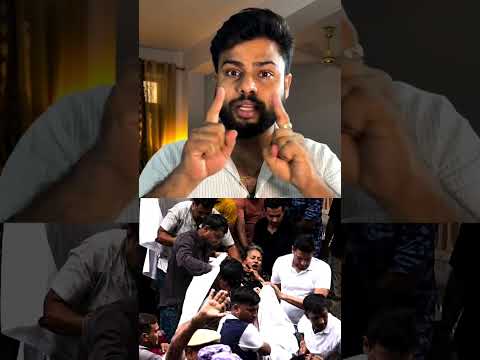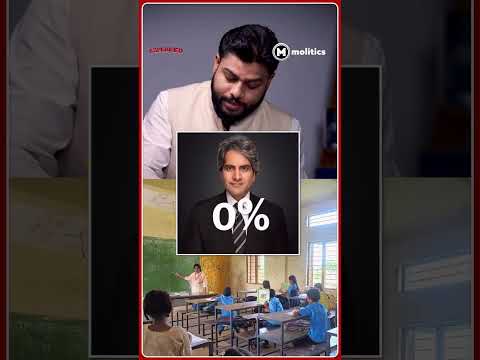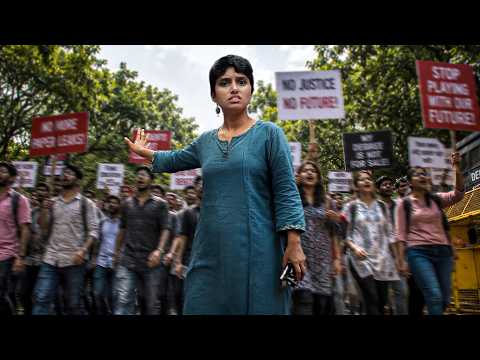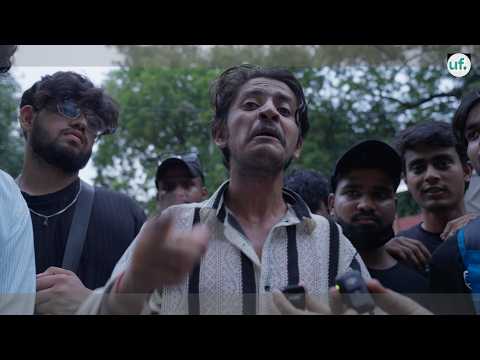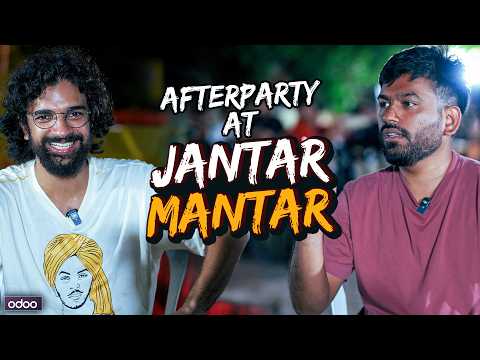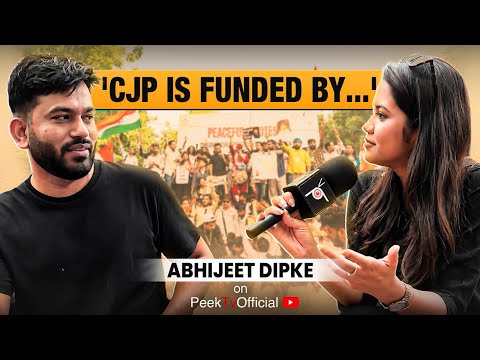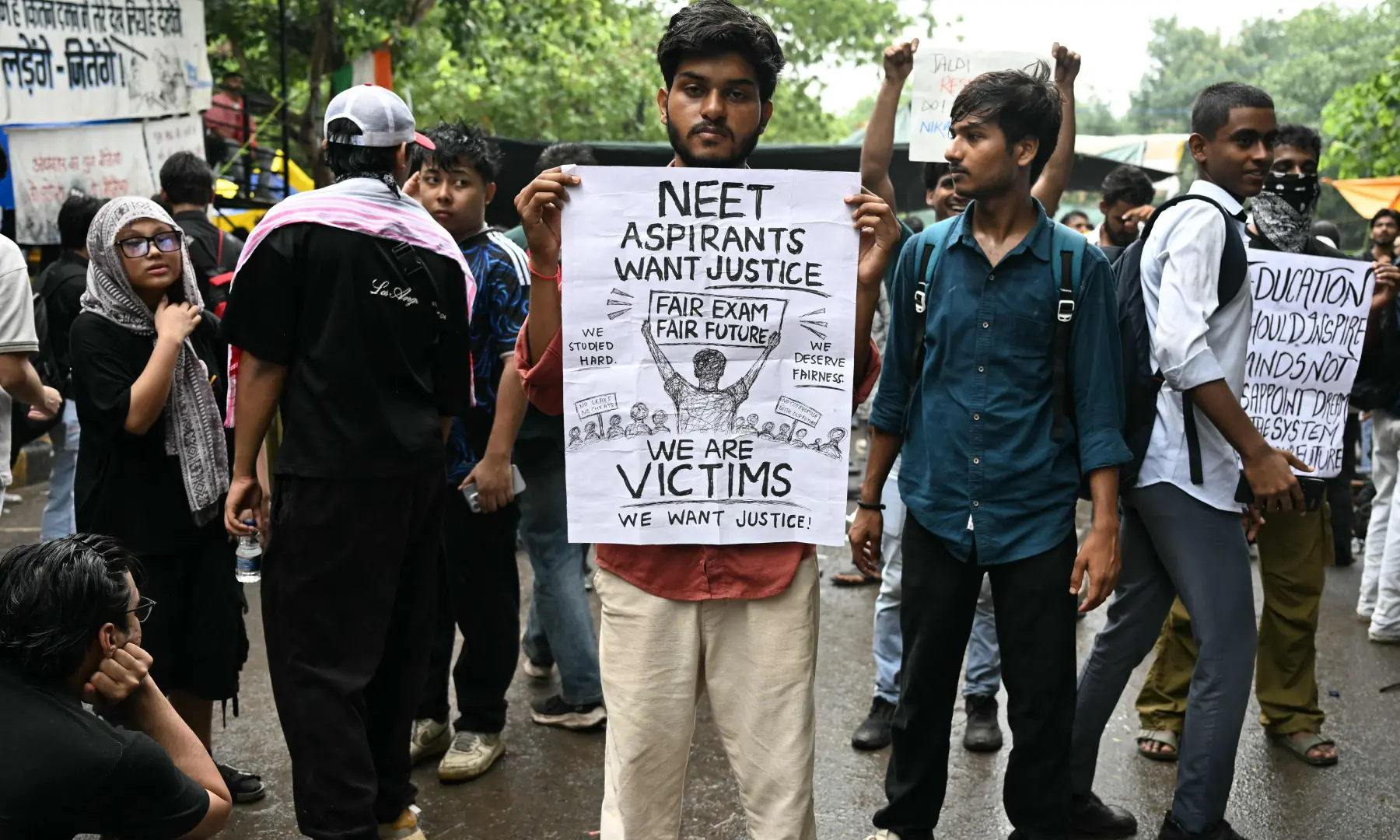
NEET-UG 2026 was held on 3 May and cancelled within days after credible allegations that its question paper had leaked. Separately, on 15–16 May, Chief Justice of India Surya Kant’s remark comparing unemployed youth to “cockroaches,” and his same-day clarification, led political strategist Abhijeet Dipke to found the Cockroach Janta Party (CJP) as satire. Neither of these began as the other’s story. They fused, over the following weeks, into the sit-in this page tracks at Jantar Mantar in New Delhi.
Two grievances, one protest
CJP’s founding grievance was about the judiciary’s language toward unemployed young Indians, not about any exam. The NEET-UG 2026 cancellation is a separate, and more serious, incident than the well-known 2024 NEET-UG leak, in which the Supreme Court ultimately declined to order a re-test after investigators traced that leak to roughly 155 beneficiaries at two centers. This time, the NTA cancelled the exam outright, ordered a full national re-sit, and the 37-day gap between cancellation and re-exam coincided with a wave of student suicides, reported at either 12 or 13 nationally, a discrepancy this page does not resolve in either direction. By the time CJP’s Jantar Mantar sit-in began on 6 June, these two grievances had become one movement, joined soon after by a separately organized, AISA-led protest track in Patna with no direct tie to CJP.
Sonam Wangchuk’s hunger strike
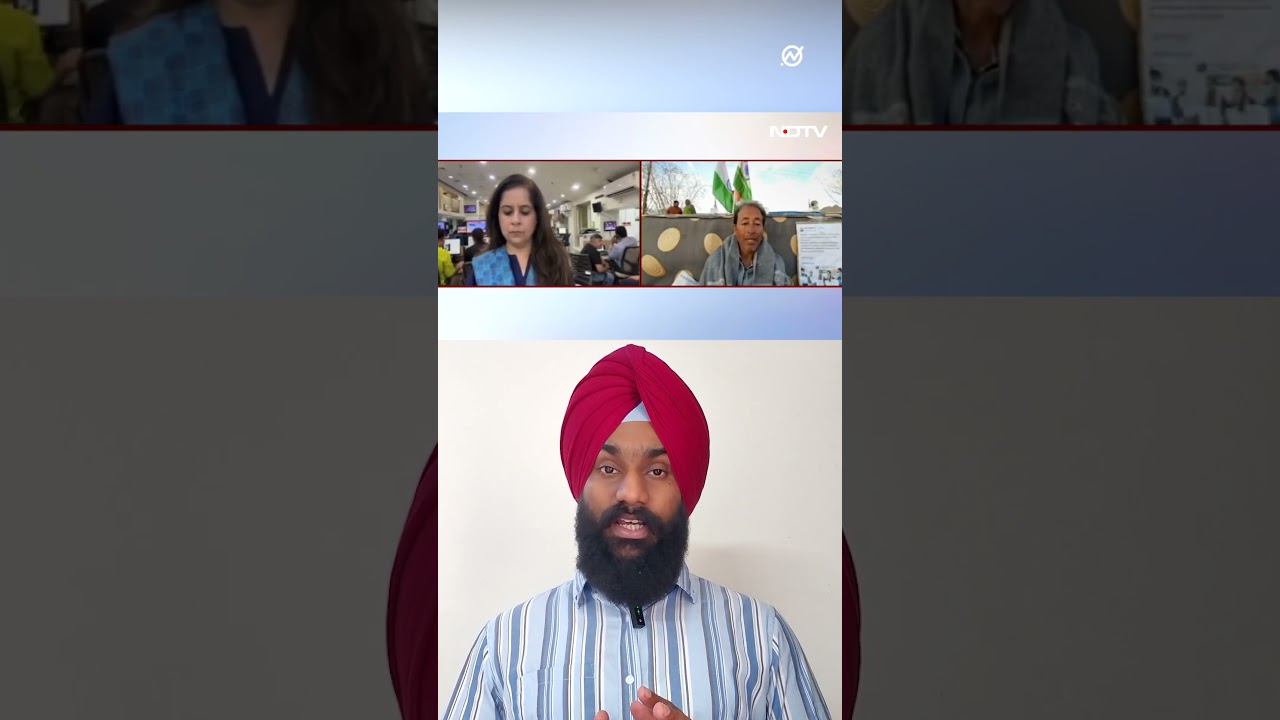
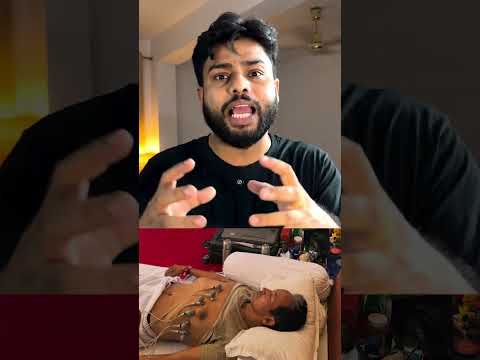
Sonam Wangchuk, previously known nationally for hunger strikes over Ladakh’s constitutional status rather than education policy, joined the sit-in and began an indefinite fast on 28 June, demanding the education minister’s resignation and compensation for the students who died. His health declined over the following weeks; he was moved to hospital on 19 July, and ended his 26–27 day fast on 24 July after a midnight meeting with two Union Ministers and government assurances, including a promised bill on paper leaks.
Police force, and a dispute this page does not resolve
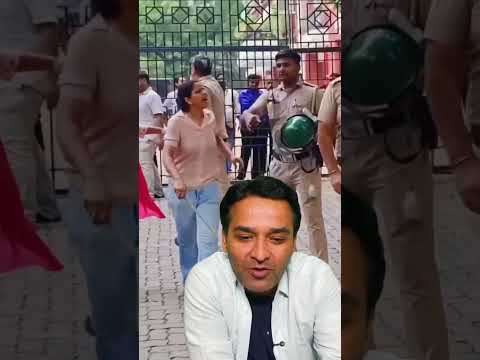
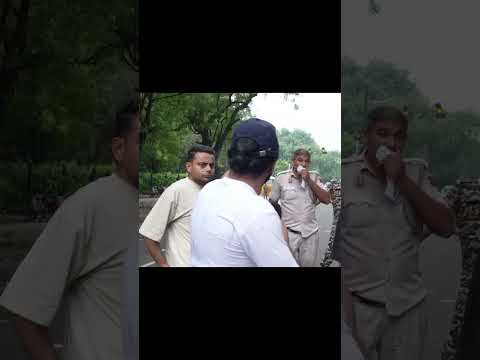
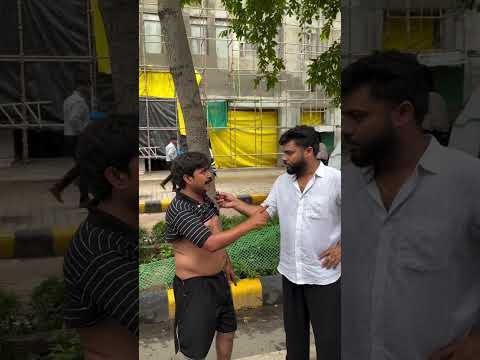
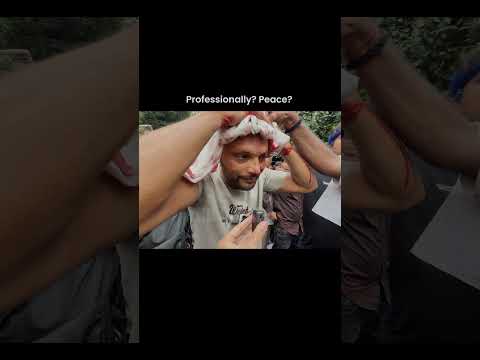
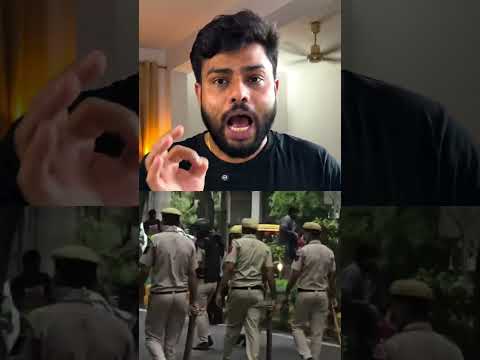
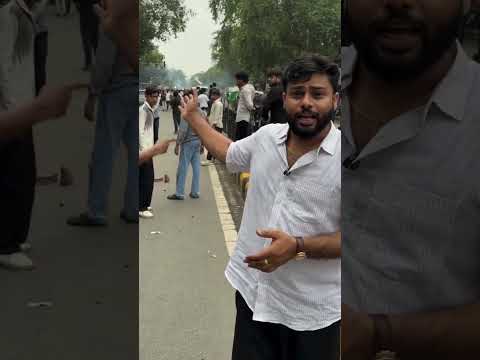
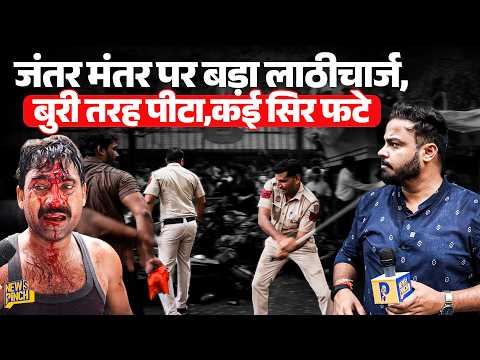
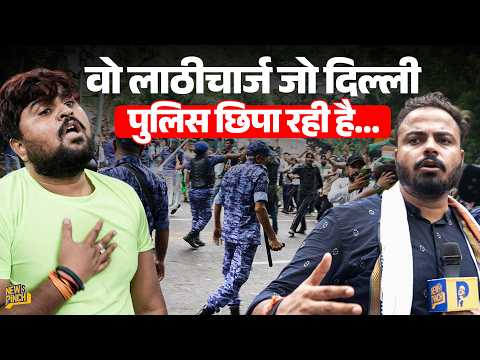
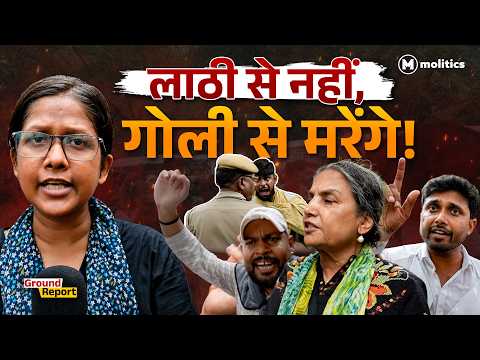
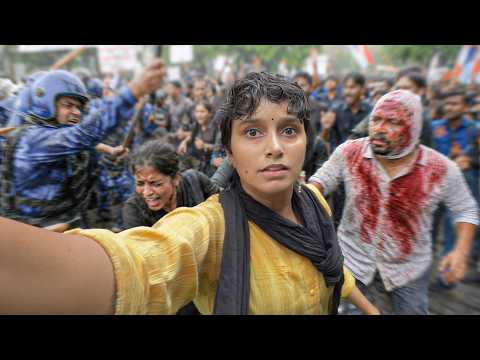
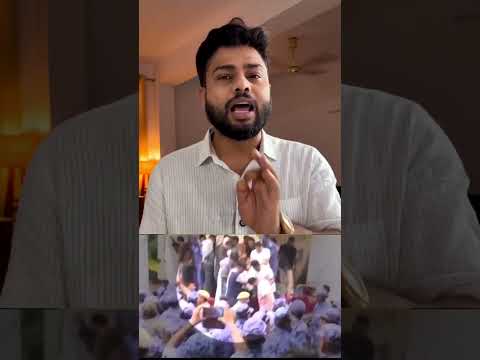
Ground reports and independent coverage both describe real police force at Jantar Mantar: a lathi charge on 20 July, plainclothes officers, and around 150 protesters hospitalized after the march toward Parliament that day. A government minister attributed the violence to “anti-social elements” who infiltrated the protest; protesters and some independent outlets said police struck first. Both accounts come from named, attributable sources, and no verified reconstruction of who acted first was found. This page reports it as an open dispute, not a settled fact in either direction, and found no evidence, despite looking, for the stronger claim that violent protesters were deliberately staged or fabricated.
Coverage gaps and misinformation
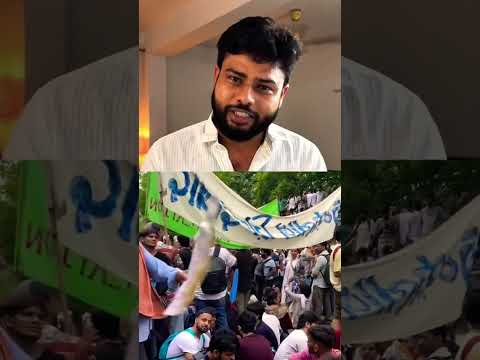
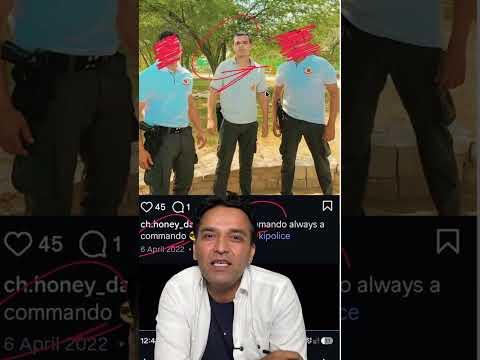
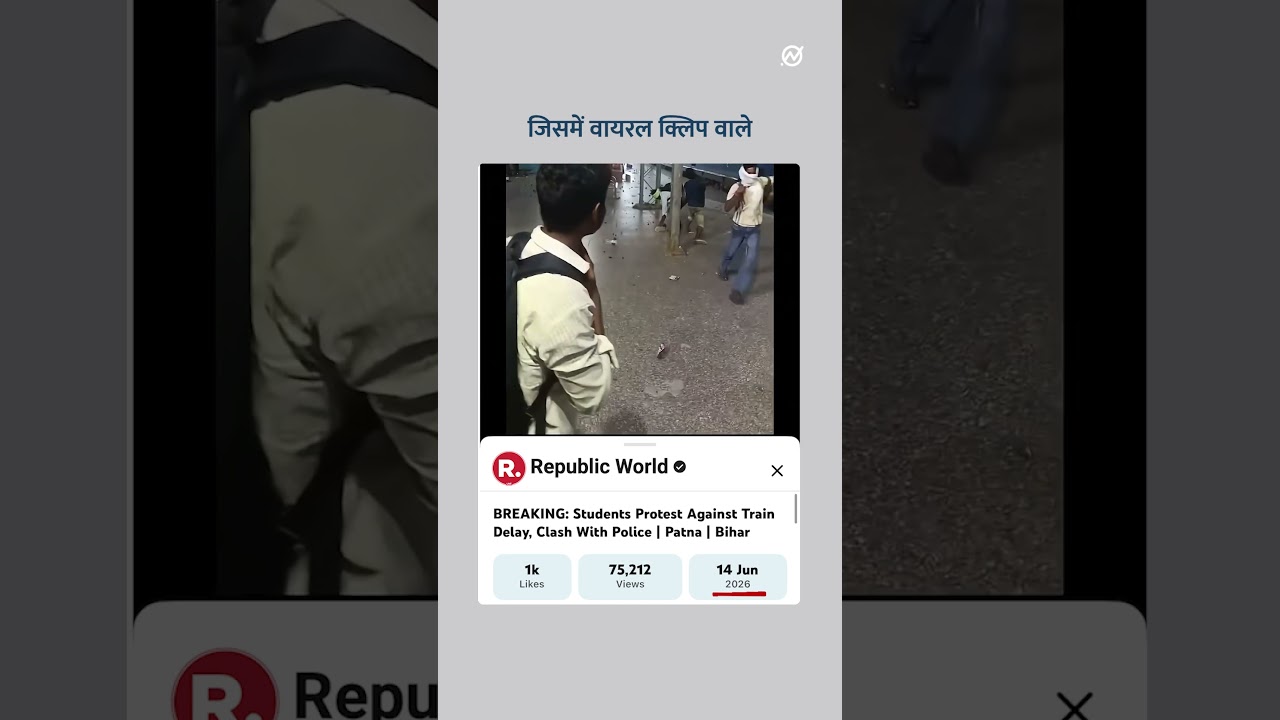
Some of India’s largest television news channels were criticized for taking weeks to meaningfully cover a protest already drawing large, sustained crowds, part of what protesters, chanting “go back, Godi media,” describe as a pattern of coverage sympathetic to the government. Wangchuk’s hospitalization on 19 July set off a wave of outright fabrications: deepfake videos falsely claiming he had died in custody, an edited old clip, and a fake celebrity-endorsement claim, all independently fact-checked and rejected. One further claim, that the paramilitary CRPF had arrested him, was also fact-checked as false: the agency named was wrong, and a court order did authorize a hospital transfer. But that correction is narrower than it can sound: it is not the same as saying the transfer was routine. Independent, non-partisan wire reporting (not just protest-side accounts) separately and consistently describes plainclothes officers who initially misrepresented themselves as medical staff, and a removal his own wife called de facto detention. Both things are true at once, and this page reports both rather than letting the narrower correction stand in for the whole picture.
Separately, some partisan commentary aligned with the government questioned Wangchuk’s personal background: his patent record and his family’s political history. Checked directly against his own public biography rather than taken on trust from either side: he holds no patents in his own name, by his own stated choice, to keep his designs open for anyone to use, and his father was in fact a Ladakhi Congress party politician decades ago. Both specific facts hold up; the framing built around them, aimed at casting him as a fraud, does not follow from the facts themselves. Other claims from the same commentary (around a past NSA detention or FCRA scrutiny) were not independently verified here and are not repeated.
Pradhan resigns, and who Pralhad Joshi is
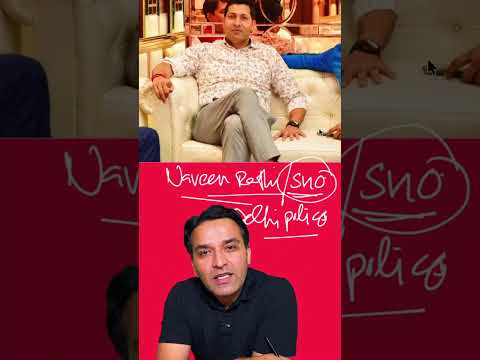
On 25 July, Dharmendra Pradhan resigned as Education Minister, framing it as moral responsibility for the NEET-UG controversy rather than an admission of personal wrongdoing. The same evening, Pralhad Joshi, a five-term BJP MP from Dharwad, Karnataka, already holding the Consumer Affairs, Food & Public Distribution and New & Renewable Energy portfolios, was given additional charge of Education. With the government also agreeing to withdraw cases against protesters and pay ₹1 crore compensation to each family of a student who died by suicide, all three of CJP’s demands were met, and the organisation formally ended its Jantar Mantar sit-in the same day amid celebrations.
Joshi has been an RSS member since youth and was active as a student in the Akhil Bharatiya Vidyarthi Parishad (ABVP), the RSS’s student wing. He first became a prominent public figure through the RSS- and BJP-led campaign to hoist the national flag at Hubballi’s disputed Idgah Maidan in 1992–94, a dispute the Supreme Court eventually settled in the municipal corporation’s favour. His most recent election affidavit, filed with the Election Commission for the 2024 Lok Sabha election, declares no pending criminal cases. He is on record defending the Gujarat government’s 2022 premature release of the eleven men convicted in the Bilkis Bano gang-rape case, calling a retired judge a “Congress agent” during a 2024 row over a COVID-inquiry report before later expressing regret, and dismissing hijab-row protesters as making “an issue” out of nothing. A political analyst quoted by The News Minute described him as a “staunch proponent of Hindi and Sanskrit” likely to press the BJP’s and RSS’s cultural priorities in education policy. This site found no criminal charges or FIRs tying Joshi to violence or corruption, only a long, on-the-record history of hardline positions and deep RSS/ABVP organisational roots; readers should weigh that documented record, not any unverified rumour, in judging what his appointment means for the ministry.
Where things stand
The Supreme Court is separately hearing petitions seeking either the dissolution or structural reform of the National Testing Agency, with the most recent hearing adjourned to the first week of August 2026; that track is unaffected by the sit-in’s end. This page is now marked concluded and will only reopen with updates if the NTA case, the promised anti-paper-leak law, or the compensation process produces newsworthy developments; see the video section below for everything tagged to this protest so far.